The Hidden Dangers of Packet Soups: Why You Should Avoid Them?

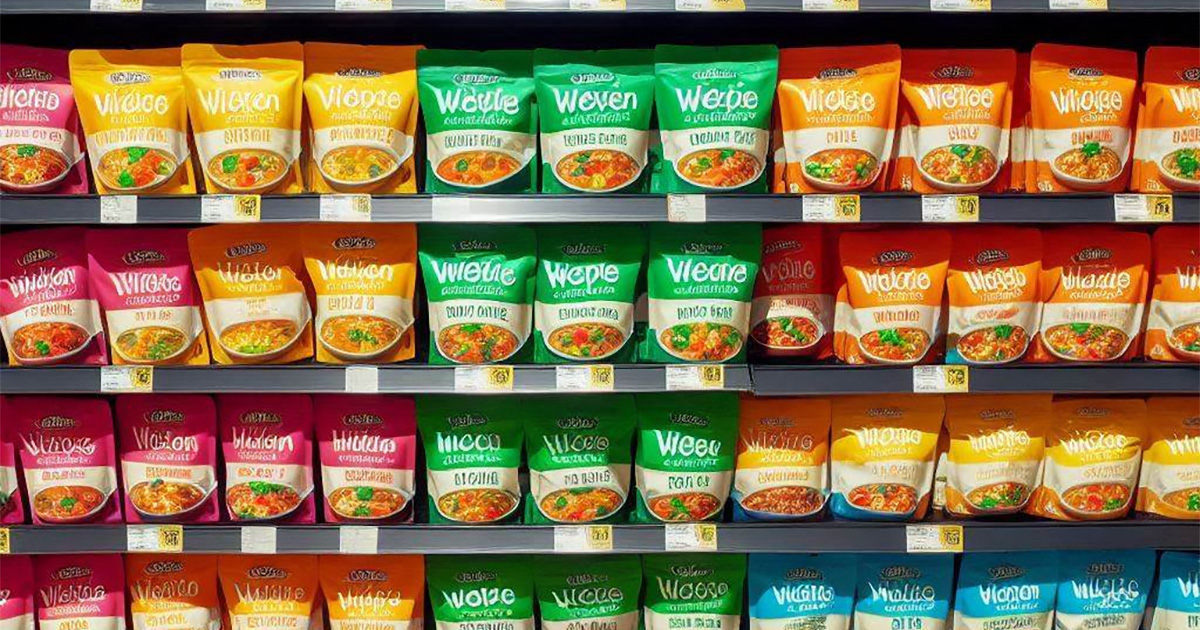
Packet soups often seem like the perfect solution when you don’t have time to make a homemade version, especially when you’re on the go. However, many are unaware of how detrimental they can be to your health.
While packet soups are available in various flavors and attract consumers with their simplicity, they are not the healthiest choice.
Though they can serve as a quick substitute, especially when you get four servings in just a few minutes, regular consumption comes with significant downsides.
Why Packet Soup is Unhealthy?
One of the main issues with packet soup is its high sodium content. Sodium is essential for regulating blood pressure and muscle function, but excessive intake can lead to hypertension, heart disease, and kidney problems. According to the World Health Organization (WHO), adults should not consume more than 2300 milligrams of sodium per day, and a single serving of packet soup can contain up to half of this amount.
Preservatives and Additives
Packet soups also contain preservatives and additives to extend shelf life and enhance flavor. While many of these additives are safe in small amounts, long-term consumption can have negative health effects. Some additives, like monosodium glutamate (MSG), are linked to headaches and other health issues in sensitive individuals.

Nutritional Deficiencies
Despite their convenience, packet soups are often nutritionally poor. They usually contain minimal vegetables and proteins, making them an inadequate source of essential nutrients. Regularly eating such soups can lead to deficiencies in necessary vitamins and minerals. Additionally, packet soups often include added sugars and unhealthy fats to improve taste, increasing their caloric content and contributing to weight gain and other health problems.
Frequency of Consumption
Frequent consumption of packet soups, two to three times a week, is not advisable. It is better to avoid them and opt for healthier alternatives.
Healthier Alternatives
Instead of packet soups, consider making homemade soups with fresh ingredients. Homemade soups can be just as quick to prepare if made in advance and frozen in portions. Choosing healthier alternatives can significantly improve your diet and overall health.
Making your own soup allows you to control every ingredient, ensuring you avoid excessive sodium, preservatives, and artificial additives. You can customize flavors to your preference while maximizing nutritional value. Batch cooking on weekends and freezing individual portions makes healthy eating convenient throughout the week.
4 Healthy Soup Recipes You Can Make at Home
1. Classic Vegetable Soup
Combine diced carrots, celery, onions, and bell peppers with vegetable or low-sodium chicken broth. Add fresh herbs like thyme and parsley, plus a can of diced tomatoes. This nutrient-packed soup provides essential vitamins A and C, fiber, and antioxidants without excess sodium.
2. Protein-Rich Lentil Soup
Cook red or green lentils with onions, garlic, carrots, and spinach in low-sodium broth. Season with cumin, turmeric, and bay leaves. Lentils provide plant-based protein, iron, and folate, making this soup both filling and nutritionally dense.
3. Immune-Boosting Chicken and Ginger Soup
Simmer lean chicken breast with fresh ginger, garlic, onions, and vegetables like bok choy or broccoli. Add a splash of low-sodium soy sauce and sesame oil for flavor. This soup supports immune function while providing high-quality protein and anti-inflammatory compounds.
4. Heart-Healthy Bean and Kale Soup
Combine white beans, chopped kale, diced tomatoes, and carrots in vegetable broth. Season with rosemary, garlic, and a drizzle of olive oil. This fiber-rich soup supports heart health and provides plant-based protein, potassium, and antioxidants.
Preparation Tip: Make large batches and freeze in individual containers for up to 3 months. Simply reheat in the microwave for a healthy meal in minutes – just as convenient as packet soup but infinitely healthier.
Questions & Answers
-
Why are packet soups harmful to your health?
Packet soups are harmful due to their high sodium content, preservatives, and additives. Excessive sodium intake can lead to high blood pressure, heart disease, and kidney issues. Preservatives and additives like MSG may trigger headaches and other side effects in sensitive individuals.
-
How much sodium does a typical packet soup contain?
One serving of packet soup may contain up to half of the recommended daily sodium intake—around 1150 mg. The WHO advises adults to consume no more than 2300 mg of sodium per day.
-
What are the most common additives in packet soups?
They often include preservatives for longer shelf life, flavor enhancers like monosodium glutamate (MSG), and artificial colorings. Although safe in small quantities, regular intake can pose health risks over time.
-
Why do packet soups have poor nutritional value?
Most packet soups contain minimal vegetables and protein, making them low in essential vitamins and minerals. Many also include added sugars and unhealthy fats that increase calories and contribute to weight gain.
-
How often is it safe to consume packet soups?
It’s advised to avoid consuming packet soups regularly. Eating them two to three times a week may negatively affect your health. Choosing healthier alternatives is strongly recommended.
-
What are healthier alternatives to packet soup?
Homemade soups prepared with fresh ingredients are healthier and can be just as convenient. By cooking and freezing in portions, you’ll have fast meals that are more nutritious and free of additives.
-
How do preservatives in packet soup affect the body?
Preservatives help extend shelf life but may strain the liver and kidneys with long-term use. Some can also trigger allergic reactions in sensitive individuals.
-
What is MSG, and why is it used in packet soups?
Monosodium glutamate (MSG) is a flavor enhancer commonly used in packet soups. While generally safe, it may cause headaches, nausea, or discomfort in sensitive people.
-
How can packet soups contribute to weight gain?
The added sugars and unhealthy fats in packet soups increase calorie content. Regular intake can lead to weight gain, especially when paired with a sedentary lifestyle.
-
Why is sodium essential yet dangerous in excess?
Sodium plays a role in regulating blood pressure and muscle function. However, too much can raise the risk of hypertension and cardiovascular issues.
-
How can you make homemade soup as convenient as packet soup?
Prepare soups ahead of time and freeze individual portions. Use fresh vegetables, lean proteins, and herbs to create flavorful meals that heat up in minutes.
-
What are the long-term effects of consuming packet soup?
Frequent consumption can lead to chronic conditions like hypertension, poor nutrition, weight gain, and an increased risk of heart disease.
-
Why do people choose packet soups despite health concerns?
Packet soups attract consumers due to their low price, ease of preparation, and variety of flavors. Convenience often outweighs health considerations—at least initially.
-
How can you identify healthier versions of packet soup?
Look for soups with low sodium, no added sugars or preservatives, and natural ingredients. Always read the nutrition label before buying.
-
What are the most common health risks associated with packet soups?
Key risks include high blood pressure, weight gain, poor nutrient intake, and sensitivity to additives like MSG.